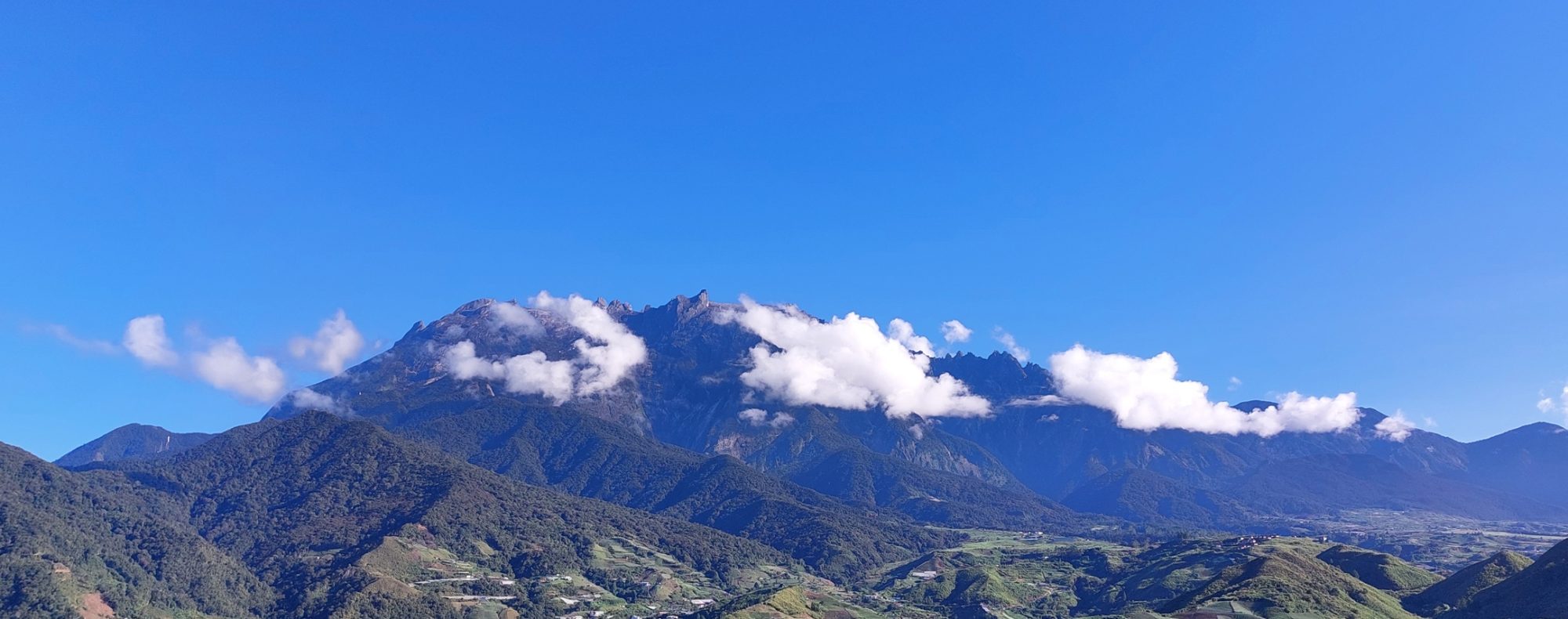
Mount Kinabalu: The Crown of Borneo

Mount Kinabalu, standing at 4,095 metres (13,435 feet), is the highest mountain in Malaysia and one of the most iconic natural landmarks in Southeast Asia. Located in Sabah, Malaysian Borneo, Mount Kinabalu is not only a geological wonder but also a UNESCO World Heritage Site, celebrated for its extraordinary biodiversity and cultural significance.
A Natural Treasure
Mount Kinabalu lies within Kinabalu Park, Malaysia’s first UNESCO World Heritage Site. The mountain is renowned for its incredible range of ecosystems, from tropical lowland rainforest to alpine meadows. As climbers ascend, they pass through four distinct vegetation zones, each hosting unique plant and animal species.
The area is especially famous for:
- Over 5,000 plant species
- More than 1,000 species of orchids
- Rare pitcher plants such as Nepenthes rajah
- Unique wildlife including the Bornean tree shrew and mountain blackbird
A Mountain for Climbers
Mount Kinabalu is one of the most accessible high mountains in the world. No technical climbing skills are required, making it suitable for fit beginners with proper preparation. The standard climb takes two days and one night, with an overnight stay at mountain lodges before the final ascent to Low’s Peak, the summit.
The highlight for most climbers is reaching the peak in time for sunrise, where breathtaking views stretch across Sabah and, on clear days, even to the South China Sea.
Cultural and Spiritual Significance
To the local Kadazan-Dusun people, Mount Kinabalu is sacred. Its name is believed to come from “Aki Nabalu”, meaning “Revered Place of the Dead”, where ancestral spirits are said to reside. Even today, traditional rituals are performed to honour the mountain before major climbs.
Conservation and Sustainability
Due to its popularity, access to Mount Kinabalu is strictly controlled. Climbers must book in advance, use licensed guides, and follow conservation rules. These measures help preserve the fragile ecosystem and ensure that tourism remains sustainable.
Best Time to Visit
- March to September: Best climbing conditions
- October to January: Rainy season; climbs still possible but weather is less predictable
Conclusion
Mount Kinabalu is more than just a mountain—it is a symbol of Sabah’s natural beauty, spiritual heritage, and ecological importance. Whether admired from afar or conquered step by step, it offers an unforgettable experience that connects people with nature, culture, and personal achievement